
Best & worst Economy seats on the Airbus A320 family
Four lengths of the same single-aisle — A319, A320, A321neo and the long-range A321XLR — and the same airline can give you very different seats on each. Here's where to sit on every variant, with a map for every carrier we cover. Free, no signup. Verified 2026-05.
What to know before you pick an A320-family seat
- Slightly wider than the 737 — the A320's wider tube means ~17–18 in seats at 3-3; small, but you feel it on a 4-hour leg.
- The A321neo hides the family's legroom jackpot — aft exit rows up to ~43 in on some carriers, more than many premium-economy cabins.
- XLR row numbers are not comparable across airlines — Iberia, Aer Lingus, Qantas, Air Canada and IndiGo all number the same jet differently. Always check your operator's map.
- Budget-carrier catch: on easyJet and friends the exit rows are paid seats — the free "good" rows are forward windows/aisles.
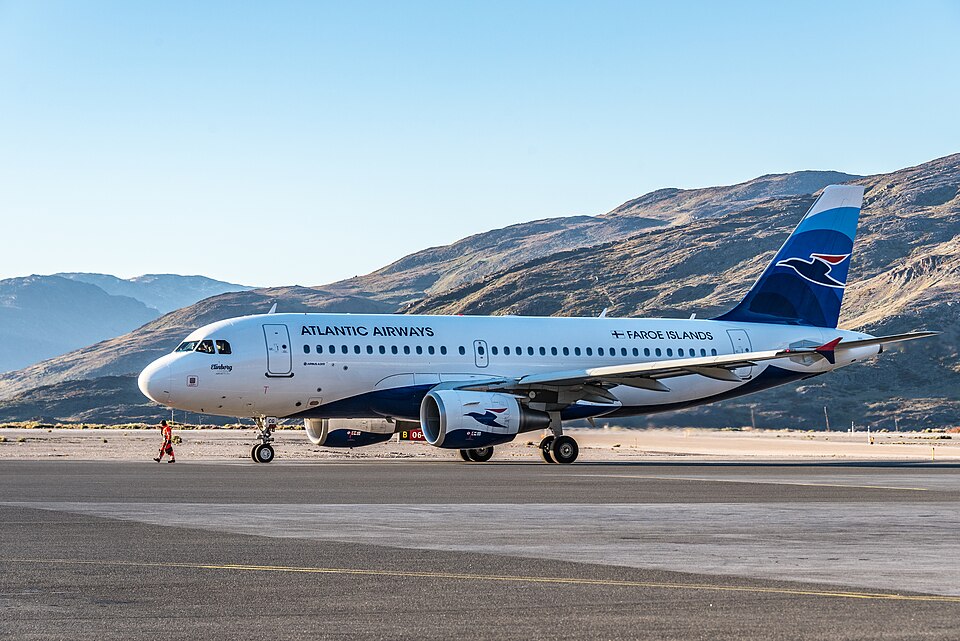
Airbus A319 · 3-3 · 96–128 seats
Smallest A320-family single-aisle — short and medium-haul on thinner routes. Typically 30–32 in pitch, 17.2–17.8 in wide.
✅ Best Over-wing exit row (often ~12–14) — 34–36 in of legroom and still near the front on this short cabin.
⛔ Avoid Last row — lav right behind, no recline, last to deplane.
See the full Airbus A319 seat map →By airline: American Airlines United Lufthansa Air France easyJet Air Canada Turkish Airlines Iberia LATAM Airlines
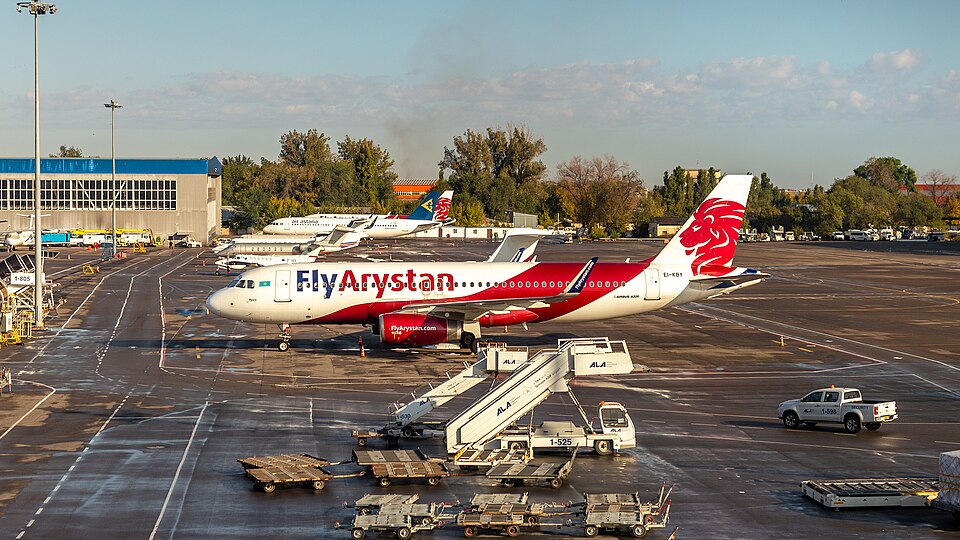
Airbus A320 · 3-3 · 150–186 seats
Workhorse single-aisle for short/medium hauls worldwide. Typically 29–31 in pitch, 17–18 in wide.
✅ Best Exit rows (often rows 10–13, over-wing) — around 35 in of legroom.
⛔ Avoid Last row (often 30/31) — no recline, tail-taper narrowing, galley/lav noise.
See the full Airbus A320 seat map →By airline: American Airlines Delta United JetBlue Frontier Lufthansa Air France British Airways easyJet ANA IndiGo
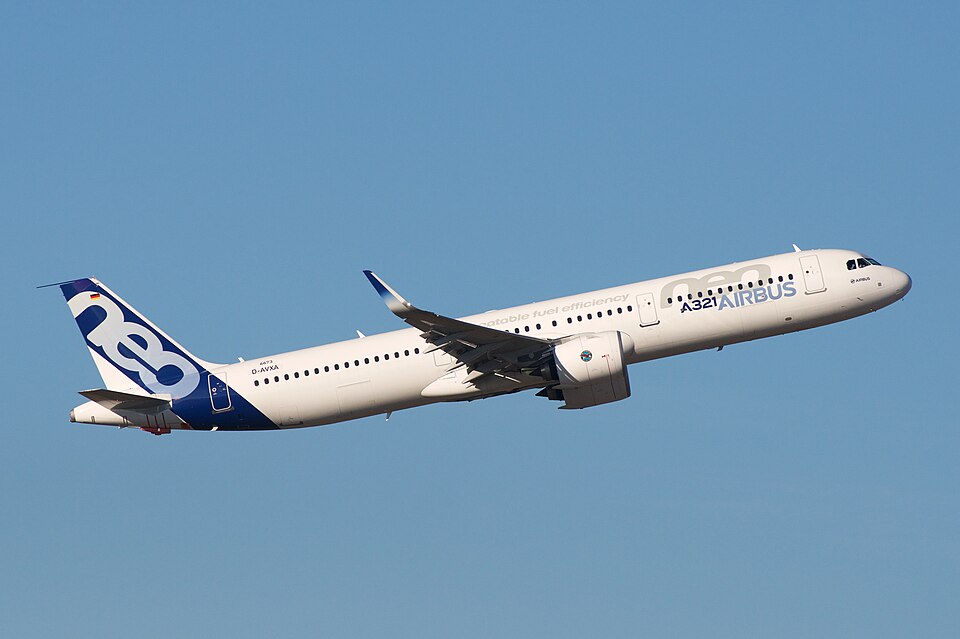
Airbus A321neo · 3-3 · 160–220 seats
Stretched neo flying longer thin routes, incl. transatlantic. Typically 30–32 in pitch, 17–18 in wide.
✅ Best Aft exit rows (often ~row 27) — up to 43.5 in of legroom on US carriers.
⛔ Avoid Row in front of an exit row (often 15/16) — no recline.
See the full Airbus A321neo seat map →By airline: American Airlines Delta United JetBlue Frontier Lufthansa British Airways KLM easyJet Cathay Pacific Qantas ANA
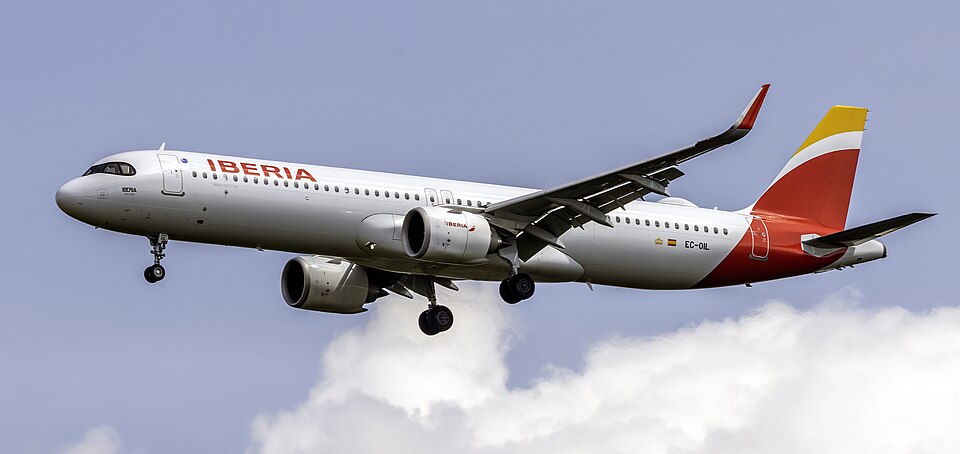
Airbus A321XLR · 3-3 · 182–200 seats
Airbus's longest-range single-aisle: an A321neo with an extra tank flying transatlantic-length routes. Typically 30–32 in pitch, 17–18 in wide.
✅ Best Over-wing exit rows — Iberia 28/29, Aer Lingus 14/15, Qantas 15/16, Air Canada 19/20, IndiGo 14/15 — 34–40 in of pitch.
⛔ Avoid Last rows by the rear galley/lavs (Iberia 47–48, Air Canada 37–39) — the whole cabin queues past you.
See the full Airbus A321XLR seat map →By airline: Qantas Air Canada Iberia Aer Lingus IndiGo
How to pick a seat on any A320-family jet
Seats run A-B-C · D-E-F — A/F windows, C/D aisles, B/E the middles. Forward of the wing is quieter and first off; over-wing exit rows win on legroom; the last row loses on everything. On the stretched A321s, mind the row in front of each exit — it's usually locked upright. Tap any seat on the variant pages for the specific "why".
Frequently asked questions
What are the best seats on an Airbus A320?
The over-wing exit rows — often rows 10–13 on the A320, ~12–14 on the shorter A319, and around row 27 on the stretched A321neo — with roughly 34–43 in of legroom depending on the carrier. Beyond those: windows and aisles forward of the wing. The A320's cabin is slightly wider than a 737's, so its 3-3 seats run a touch wider at the same pitch.
Which seats should I avoid on the A320 family?
The last row (no recline, galley/lav noise, tail-taper narrowing — often row 30/31 on an A320), and the row directly in front of an exit row, which usually doesn't recline (commonly around rows 15/16 on an A321neo). On low-cost carriers, note the "free" seats nearest the exits are usually sold as paid extra-legroom rows.
A320 vs A321neo — same airline, different seat?
Yes, meaningfully. The A321neo is the longest single-aisle in common service: same 3-3 width, but many more rows — so boarding takes longer, the tail is a long walk, and the aft exit rows (up to ~43 in on some US carriers) are the hidden legroom jackpot of the whole family. On the same airline, the A321neo's best rows beat the A320's; its worst rows are worse.
What about the A321XLR?
The long-range version now flying transatlantic routes with Iberia, Aer Lingus, Qantas, Air Canada and IndiGo. One warning from our data: row numbering differs completely per operator — Iberia's Economy runs rows 21–48, Air Canada's 12–39, Aer Lingus's 7–34 — so on this jet especially, "row 14" means nothing until you check your own airline's map.
Which airlines fly the A320 family?
Practically everyone: easyJet, British Airways, Lufthansa, Air France, KLM, American, United, Delta, JetBlue, Frontier, IndiGo, Qantas, ANA and Cathay Pacific among others. This guide links a seat map for every airline-and-variant combination we cover.
Is this a SeatGuru alternative for the A320?
Yes. SeatGuru shut down in November 2025; this is a free, no-signup replacement with a colour-coded best/worst map per variant. Guidance is by aircraft type, so for airline-exact maps we link aeroLOPA and SeatMaps.com.
⚠️ General guidance by aircraft type — exact rows, pitch and exits vary by airline and cabin reconfiguration. Check your airline's own seat map or aeroLOPA before selecting. Verified 2026-05.