
Best & worst Economy seats on the Boeing 737
More people fly 737s than any other jet — and its 3-3 Economy gets a little tighter every year. Here's which rows still win on legroom and quiet across the 737-800, 737-900ER, MAX 8 and MAX 9, with a map for every airline that flies them. Free, no signup. Verified 2026-05.
What to know before you pick a 737 seat
- The exit rows are the whole game — 34–38 in of pitch versus 30–32 standard. On budget carriers they're sold as paid "extra legroom" seats, and they're worth it on anything over two hours.
- No true middle-block misery — 3-3 means one middle seat per side, and window/aisle are always one hop apart.
- MAX cabins stow more — the MAX 8/9's bigger overhead "Space Bins" are the difference between gate-checking and not.
- The tail is the trap — last rows don't recline, sit by the galley/lavs, and on the stretched -900ER/MAX 9 they're a genuinely long walk.
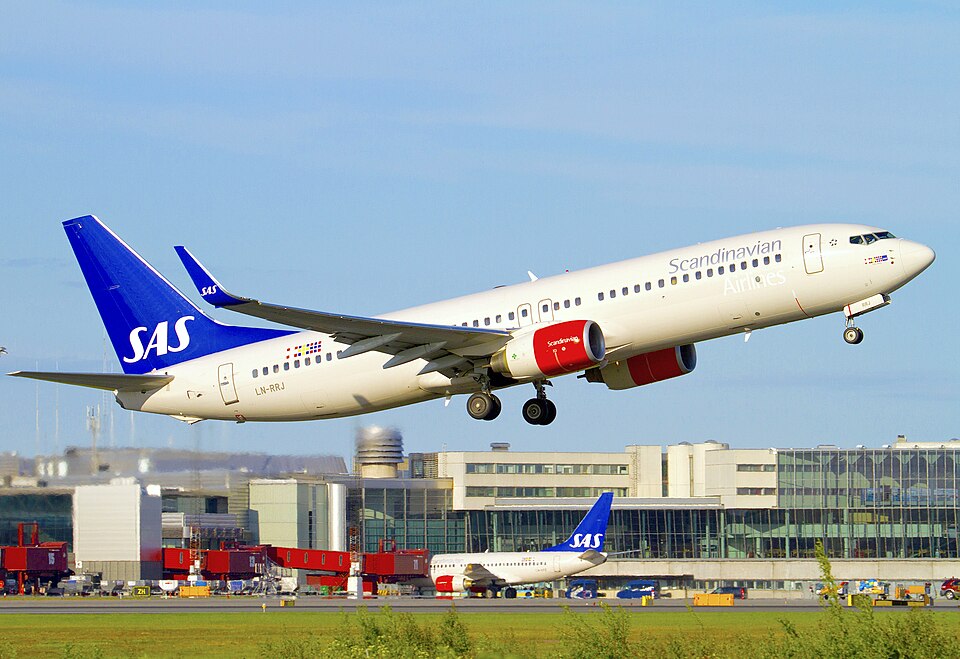
Boeing 737-800 · 3-3 · 144–189 seats
One of the most common narrow-bodies in the sky. Typically 30–32 in pitch, 17–18 in wide.
✅ Best Exit rows (mid-cabin, over-wing — often rows 16–17 or 20–21 by config), 34–38 in pitch.
⛔ Avoid Last row — no recline, by the galley/lav.
See the full Boeing 737-800 seat map →By airline: American Airlines Delta United Southwest KLM Ryanair Qantas ANA Turkish Airlines Japan Airlines
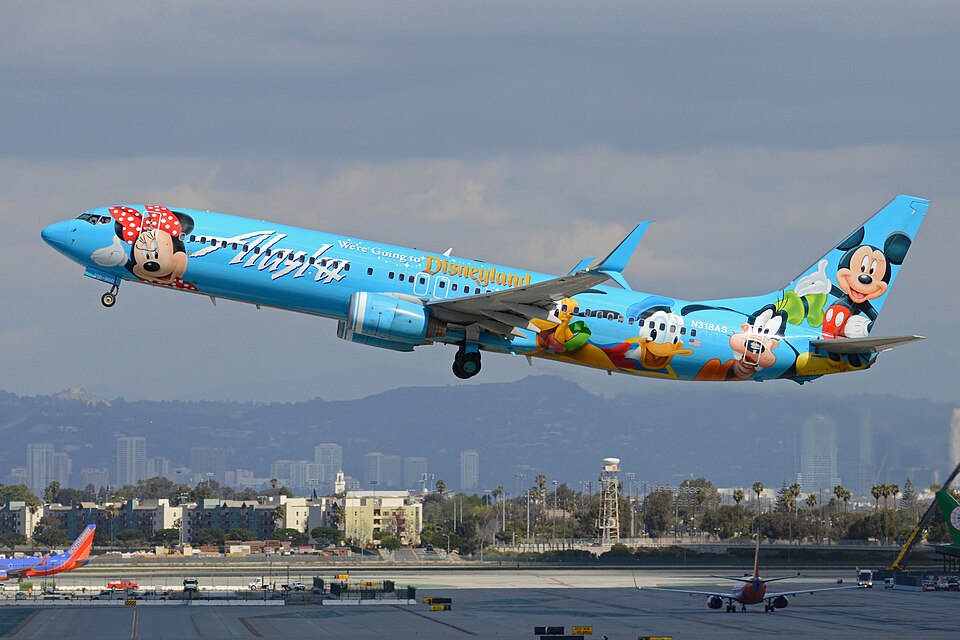
Boeing 737-900ER · 3-3 · 114–178 seats
Stretched Next-Gen 737 single-aisle — common on US domestic and short-haul. Typically 30–31 in pitch, 17.3–17.5 in wide.
✅ Best Over-wing exit rows (often ~20–21) — up to ~38 in pitch; take C/D so you're not climbing over anyone.
⛔ Avoid Last 3–4 rows — no recline by the aft door, lav traffic, last off.
See the full Boeing 737-900ER seat map →By airline: Delta United Turkish Airlines Korean Air
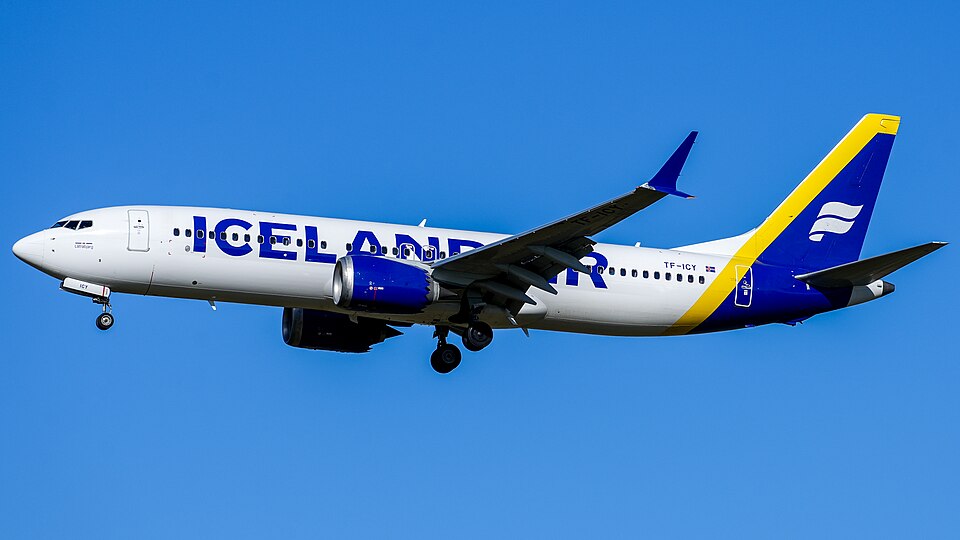
Boeing 737 MAX 8 · 3-3 · 150–178 seats
Re-engined 737; increasingly common on US/EU narrow-body routes. Typically 30–31 in pitch, 17–17.8 in wide.
✅ Best Exit rows (e.g. row 21 on some United configs) — up to ~34 in pitch.
⛔ Avoid Last few rows — narrower at the tail, no recline, galley/lav noise.
See the full Boeing 737 MAX 8 seat map →By airline: American Airlines United Southwest Ryanair Air Canada Turkish Airlines
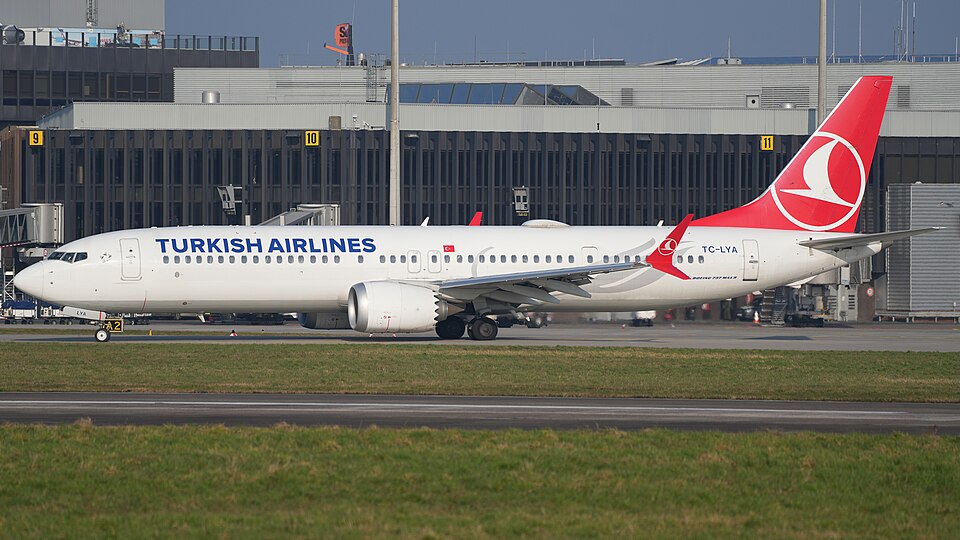
Boeing 737 MAX 9 · 3-3 · 127–179 seats
Stretched 737 MAX on US domestic and medium-haul. Typically 30–32 in pitch, 17–18 in wide.
✅ Best Exit rows (often ~row 21) — up to ~34 in of legroom.
⛔ Avoid Row just before the exit row — no recline.
See the full Boeing 737 MAX 9 seat map →By airline: United
How to pick a seat on any 737
Seats run A-B-C · D-E-F. A and F are the windows, C and D the aisles, B and E the middles you trade away last. Sit forward of the wing for quiet and a faster exit; take an exit row for legroom (knowing the tray lives in the armrest); never take the last row unless it's that or a middle. Tap any seat on the variant pages for the specific "why".
Frequently asked questions
What are the best seats on a Boeing 737?
The over-wing exit rows — typically around rows 16–17 or 20–21 depending on the variant and airline — with 34–38 in of legroom versus the standard 30–32. After those: any window or aisle forward of the wing (quieter, off the plane sooner). On a 3-3 cabin every row has just one middle seat per side, so even a mediocre row beats a widebody centre block.
Which seats should I avoid on a 737?
The last row (no recline, galley and lavatory right behind, last to deplane), the row directly in front of an exit row (restricted or no recline), and the far aft rows generally — the cabin tapers, the engines are behind you, and everyone queues past your armrest. Note the exit rows themselves often have tray-in-armrest seats that feel slightly narrower.
737-800 vs 737 MAX 8 — which is better in Economy?
Same 3-3 layout and similar pitch, but the MAX 8 has the newer cabin: bigger "Space Bins" overhead (much better carry-on stowage), modern lighting and quieter engines. Seat comfort is airline-dependent more than airframe-dependent, but given the choice at equal pitch, the MAX cabin is the nicer place to sit.
What's the difference between the 737-800, 737-900ER, MAX 8 and MAX 9?
Two generations, two lengths each. The 737-800 (144–189 seats) and stretched 737-900ER are the previous "Next-Generation" jets; the MAX 8 and longer MAX 9 are their re-engined successors. Longer variants mean more rows and a longer walk from the tail — row logic is identical across all four: chase the exit rows, avoid the last rows.
Which airlines fly the 737?
It's the workhorse of short-haul flying: Southwest, Ryanair, United, American, Delta, Alaska, Turkish, KLM, Qantas, ANA, Japan Airlines, Air Canada and Korean Air among many others. This guide links a seat map for every airline-and-737 combination we cover.
Is this a SeatGuru alternative for the 737?
Yes. SeatGuru shut down in November 2025; this is a free, no-signup replacement with a colour-coded best/worst map per variant. Guidance is by aircraft type (airlines move rows and exits), so for airline-exact maps we link aeroLOPA and SeatMaps.com.
⚠️ General guidance by aircraft type — exact rows, pitch and exits vary by airline and cabin reconfiguration. Check your airline's own seat map or aeroLOPA before selecting. Verified 2026-05.